Spain runs on a clock I wish I'd been raised on. Lunch is not a thing you do at your desk; it is an event with a beginning, a middle, and a long, unrepentant end. The first time a meal stretched past three hours I kept waiting for someone to apologise. No one did. It was, I slowly understood, the entire point.
Towns the colour of warm bread
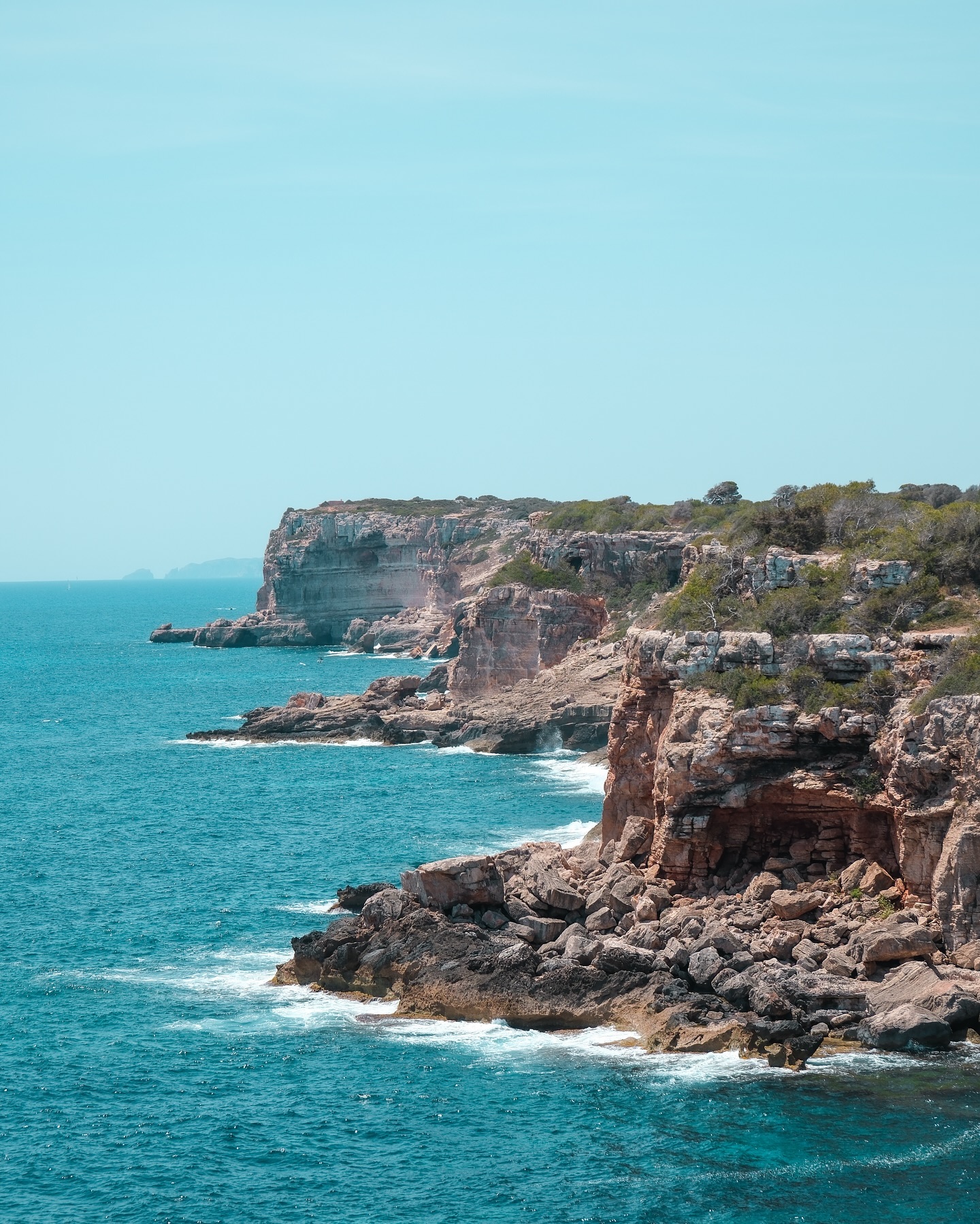
I spent most of the trip along the coast, in towns the colour of warm bread, where the streets are too narrow for cars and too perfect for evening walks. The sea is a flat, impossible blue. Old men play cards in the shade and watch tourists discover, decades too late, that shade is a destination.
By day it's too hot to do anything ambitious, which removes the guilt entirely. You swim, you nap, you read four pages of a book and consider it a full schedule.
The siesta is real, and it is correct
I used to think the afternoon shutdown was a quaint inconvenience. Now I think it's wisdom. The hottest hours are simply removed from the working day, returned to you as rest, and given back as a second, cooler evening that goes on until midnight smells of grilled fish and someone's grandmother's perfume.
What I took home
A conviction that the long lunch is not laziness — it's a value system. Spain has quietly solved the problem of being in a hurry, and the solution is to simply decide not to be.